
Industrial and Warehouse Painting in Coventry


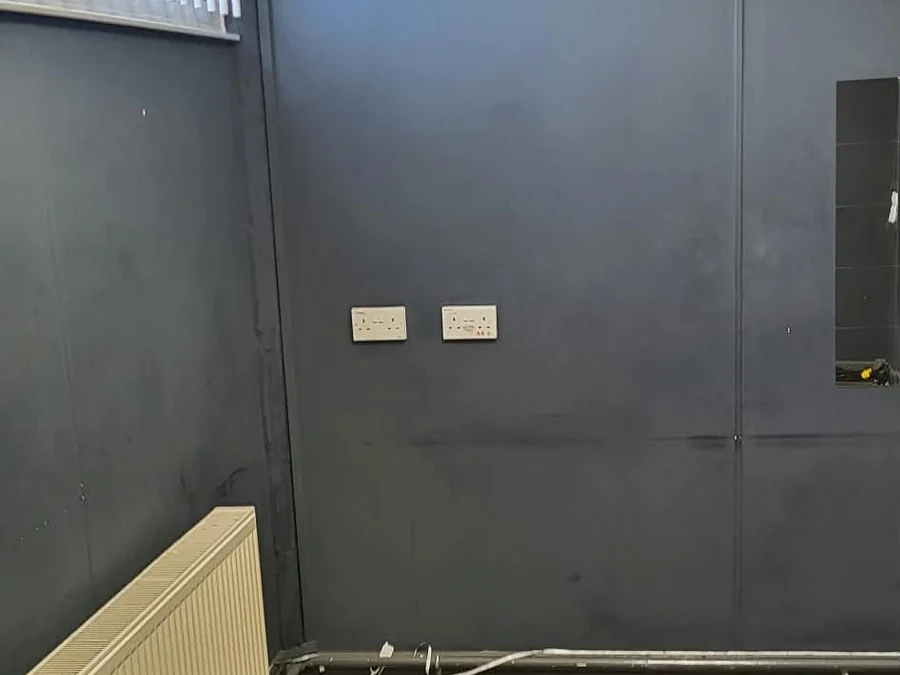
Got an industrial unit or warehouse in Coventry that needs painting without stopping production?
This guide walks through how an industrial or warehouse repaint is planned and quoted, from survey to sign-off.
Site managers have six things to settle before a shutdown starts.
- How much will this cost, and how is it quoted?
- Can the work fit inside our shutdown?
- What can be painted from the floor?
- What makes steelwork coatings last?
- How is dust kept away from production?
- What insurance and risk assessments do you have?
Call 024 7542 6652 today and speak to Ryan, the local decorator who quotes industrial and warehouse jobs across Coventry.
Reviews From Coventry Customers


The place is now like a new house.
I am immensely grateful for his expertise and dedication regarding his work.
Definitely recommend.
How Godiva Decorators Works
Godiva Decorators works with a local, Coventry-based painter and decorator. When you call, you speak to Ryan directly, and you arrange the quote and the work with him.
- Call and speak to Ryan — the decorator who does the work, not a call centre.
- Tell him about the job — the rooms, the timing and anything you are unsure about.
- He visits and sends a written quote setting out the work before anything is booked.
- You agree the work directly with Ryan, including the schedule and the final walkthrough.
Why Choose Godiva Decorators
Godiva Decorators works with one trusted decorator for industrial and warehouse painting.
Scope settled at survey, not on the phone
What is in reach and what needs specific access is decided by looking at the building. That way, a shutdown is not lost to a surprise.
Preparation priced as the job it is
Stripping old coatings and treating corrosion wins an industrial finish, not the topcoat.
Programmes built backwards from restart
Drying and recoat times are built into the plan. The finish is not rushed to hit a Monday morning.
Straight answers on what is not offered
Line marking and high-level access are named as separate work. Neither is folded quietly into a quote.
What Does Industrial Painting Cost, and How Is It Quoted?
Industrial work is quoted per project after a survey. A rate per square metre sounds like the honest way to price it. It is usually the misleading one. Two units of identical floor area can differ enormously in what has to happen before any paint goes on.
- Preparation, which is most of it. Degreasing, stripping flaking coatings and treating corrosion is most of the labour on an industrial job. Painting is the quick part.
- The substrate. Block, plasterboard, steel and cladding each need their own specification. Coated steel is priced differently again.
- Height and access. What can be reached safely from the floor or a tower is one job. Anything above that needs specific access equipment, and it is confirmed at survey before it is priced.
- The window. A weekend, an evening shift or a shutdown costs more than open access during normal hours. It buys a programme that does not interrupt production.
- Whether production continues alongside. Working around live racking, forklifts and stock means segregation, and segregation is time.
- The coating. A durable industrial finish and a trade emulsion are not comparable products. Specifying down to save on materials usually costs more at the next repaint.
What comes back is itemised, with the access and the hours it assumes written on it. That makes it possible to compare like for like against another quote.
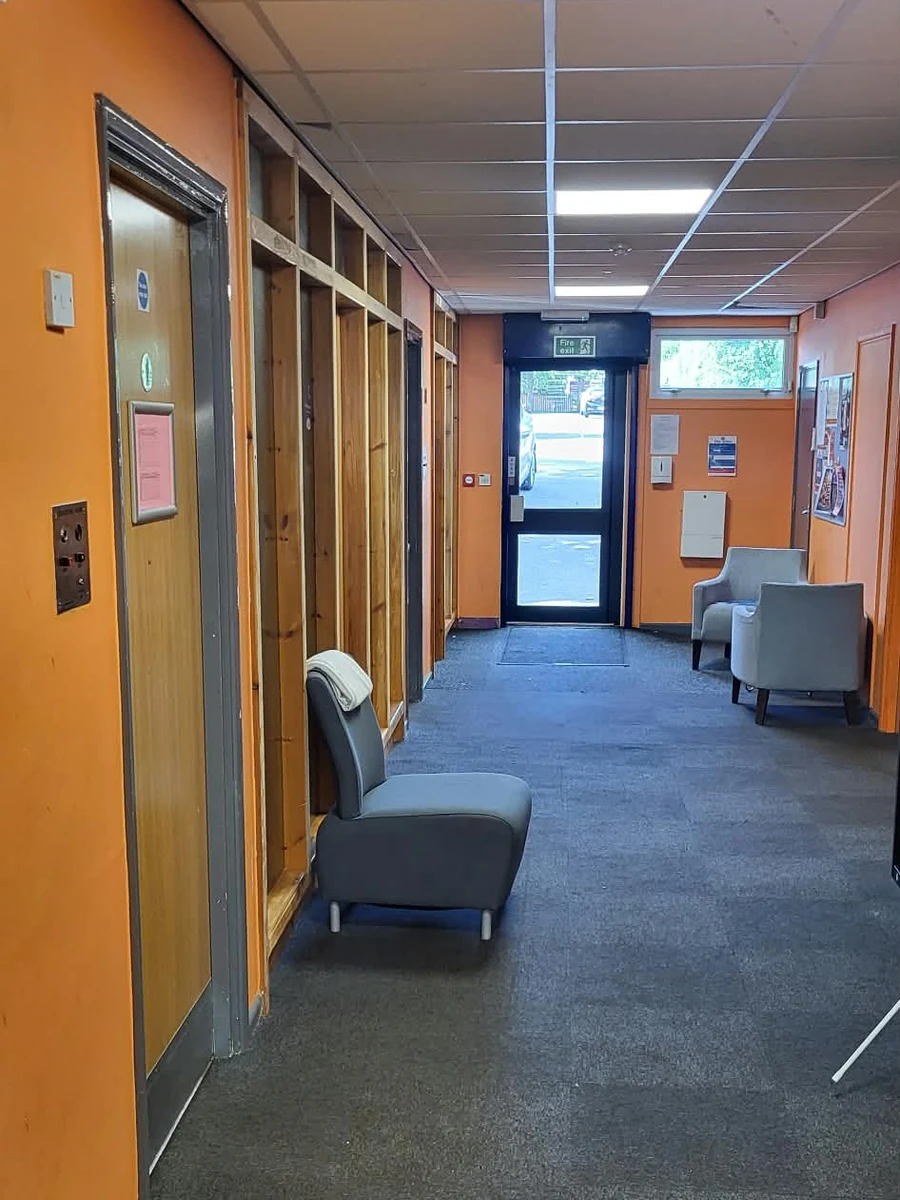
Working Inside a Shutdown
For most industrial sites the only real window is a shutdown. The whole job has to be planned backwards from the day production restarts.
Survey early, not the week before. The specification, the access and the materials all have lead times. A shutdown discovered to be too short on day one cannot be extended.
Preparation before the shutdown where it is possible. Anything that can be cleaned, masked, moved or prepared while production runs is time bought back for the days that matter.
The sequence is fixed by drying, not by ambition. Two coats with a proper interval between them is what a durable finish is. Compressing that is how an industrial job fails within eighteen months.
Be honest about what fits. A two-day shutdown will not take a full warehouse repaint. The useful conversation is which areas give the most back inside the time available. A phased plan across two shutdowns beats a rushed one across a single weekend.
Restart conditions are part of the programme. Ventilation, drying and the point at which racking, plant and traffic can return are agreed before the work starts. They are not discovered on the Monday morning.
Warehouse Walls, Unit Interiors and High-Level Work
If your building has anything above head height, you will want to know before booking whether that is included. What follows is stated plainly: what is straightforward from the floor, and what has to be confirmed on site.
What is straightforward: unit interiors, workshop walls, warehouse walls and elevations that can be reached safely from the floor or from a mobile tower, trade counters, unit offices, canteens, welfare areas, corridors and stairwells.
What is confirmed at survey: anything higher. Roof steels, high-level cladding and the upper reaches of a tall warehouse need specific access equipment and a specific method. Whether they are in scope is settled by looking at the building, not promised on a web page.
Why that distinction is worth making. A contractor who agrees to everything on the phone can run into the access problem on site instead. That costs a survey, a slot in your shutdown and the time to start again. It is better to know on day one what is in scope.
Work at height is governed rather than judged. The Work at Height Regulations set what is required, and HSE publishes the guidance. Anything that cannot be done to that standard on your site does not get done to a lower one.
Racking, stock and plant. Areas are cleared or segregated by agreement before a shift starts. Painting around full racking is slower, worse and usually more expensive than emptying a bay for a day.
Get My Free Quote
Speak to Ryan about your shutdown window and get a survey booked.
Steelwork, Cladding and Coatings That Have to Last
Industrial coating is a substrate question before it is a colour question. Almost every early failure traces back to preparation rather than to product.
Steelwork. Loose material and surface corrosion are removed, the steel is degreased, and a suitable primer goes on before any finish. Paint over contamination or over rust fails at the interface no matter how good the topcoat is.
Previously coated steel. The existing coating is tested for adhesion and compatibility before anything goes over it. A finish that lifts the coat underneath is worse than no repaint at all.
Block and masonry walls. Bare block drinks paint and needs sealing first. Painted block needs washing down and any flaking removed, because industrial dust and grease are the reason the last coat let go.
Internal cladding and panels. Cleaned, keyed and coated with a product that suits a non-porous surface, rather than an emulsion that will peel off it.
Welfare, office and canteen areas. Ordinary commercial decorating standards inside an industrial building, with a washable finish because these are the highest-contact rooms on the site.
The unglamorous rule. Money spent on preparation buys years. Money spent on a premium topcoat over poor preparation buys months.
Markings, Lines and the Work Around the Edges
The topics below come up on almost every industrial enquiry, and being straight about whose job each one is saves everybody a wasted visit.
Specialist trade
Floor Markings and Lines
Aisle lines, walkways, hatching and bay markings are a dedicated line marking trade using floor-specific paints and equipment. Worth coordinating with a repaint, and quoted by that contractor rather than absorbed into a decorating price.
Statutory
Safety Colour Coding
Colours for pipework, hazards and safety equipment follow published standards, not preference. Where a scheme applies on your site, it is supplied to the decorator rather than chosen by one.
In scope
Doors, Frames and Guarding
Personnel doors, frames, handrails, bollards and guarding are ordinary industrial painting and are usually the cheapest visible improvement on a tired unit.
In scope
Unit Offices and Welfare
Offices, canteens, changing rooms and corridors inside an industrial building, decorated to commercial standards and usually done in the same visit.
Get My Free Quote
Tell Ryan which areas in your unit need painting and get a written quote.
Dust, Fumes and Keeping Production Running
The objection is never the painting. It is what the painting does to everything around it.
Dust is contained rather than tolerated. Preparation is the dusty part, so it is sheeted, segregated and where possible done in a window when the area is not in use.
Stock and plant are protected or moved. The agreement worth making before the job is which bays get cleared and when. Sheeting around full racking is a compromise on both sides.
Water-based products where they will do the job. Low odour, faster recoat, and far less impact on a building with people in it. Where a solvent-based industrial coating is genuinely required, it is scheduled into a shutdown or an out-of-hours window with ventilation agreed in advance.
Segregation, signage and routes. Working areas are marked and kept separate from traffic and pedestrian routes. Access routes are agreed with whoever runs the site, not assumed.
Clean as you go. An industrial site handed back with masking, sheeting and waste still in it has not been finished, whatever the walls look like.
Insurance, Risk Assessments and Site Inductions
Industrial buyers check insurance first, so it is stated plainly rather than implied.
Insurance is confirmed in writing before any site visit. Cover details are supplied on request and can go to your site manager or health and safety lead as part of the quote pack.
No accreditation is claimed on this page. If your procurement process requires a specific scheme membership, ask, and you will get a straight yes or no rather than a badge.
Risk assessments and method statements are provided where they are required. Tell us at survey what your site needs and in what format, because supplying it late is what delays a start date.
Inductions, permits and sign-in are attended. Site rules, permits to work, hot work restrictions, PPE requirements and escorted access are built into the programme and the price.
Every industrial painting contractor Godiva Decorators introduces onto a site carries this paperwork.
Anything that cannot be done safely does not get done. That applies to access, to isolation and to working near live plant. It is the reason the scope is settled at survey.
Get My Free Quote
Tell Ryan what paperwork your site needs and get it written into the quote.
Industrial Painting FAQs
Get My Free Quote
Fill in the form below for a free quote: